
VEGETABLE LAMB OF AMERICA
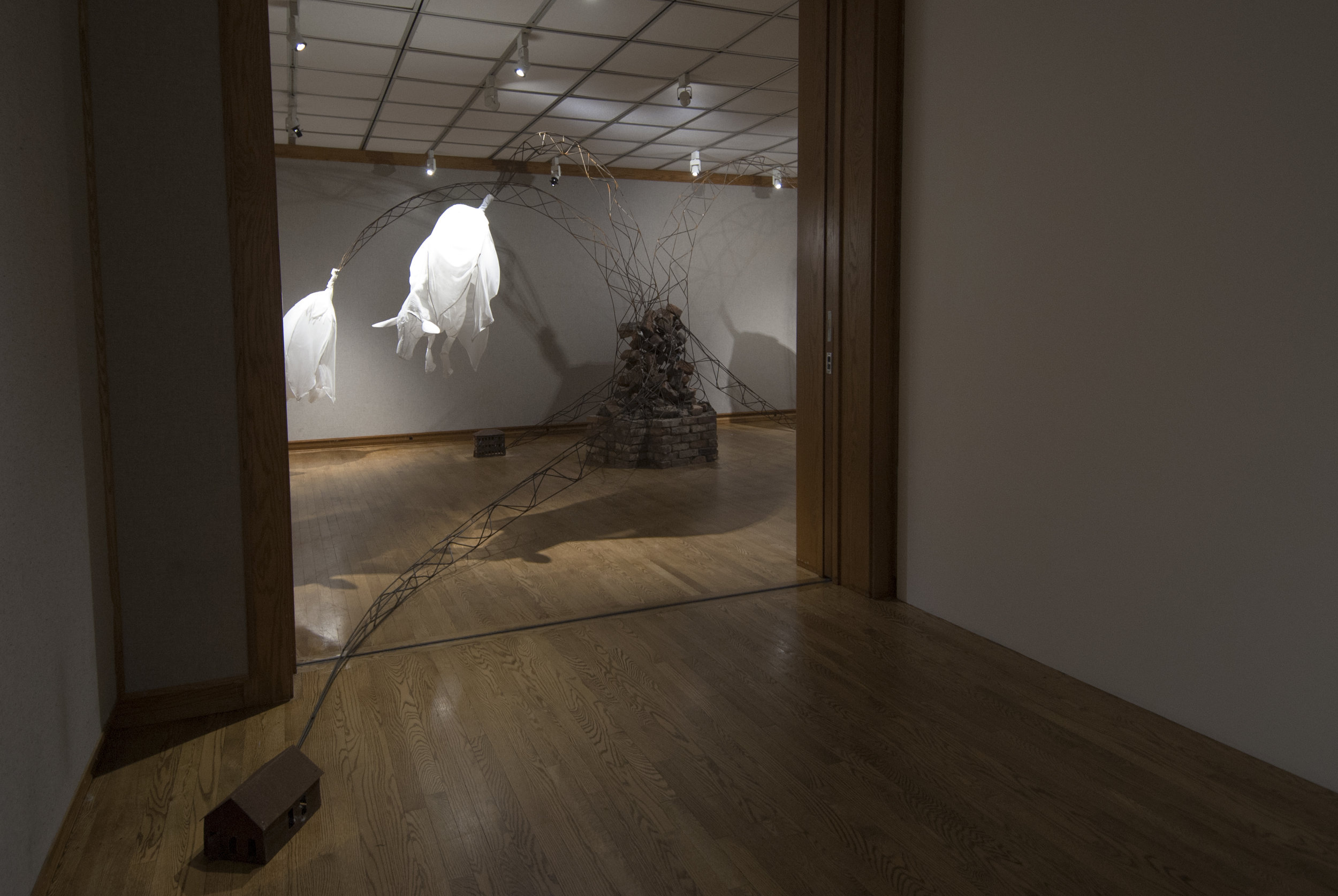
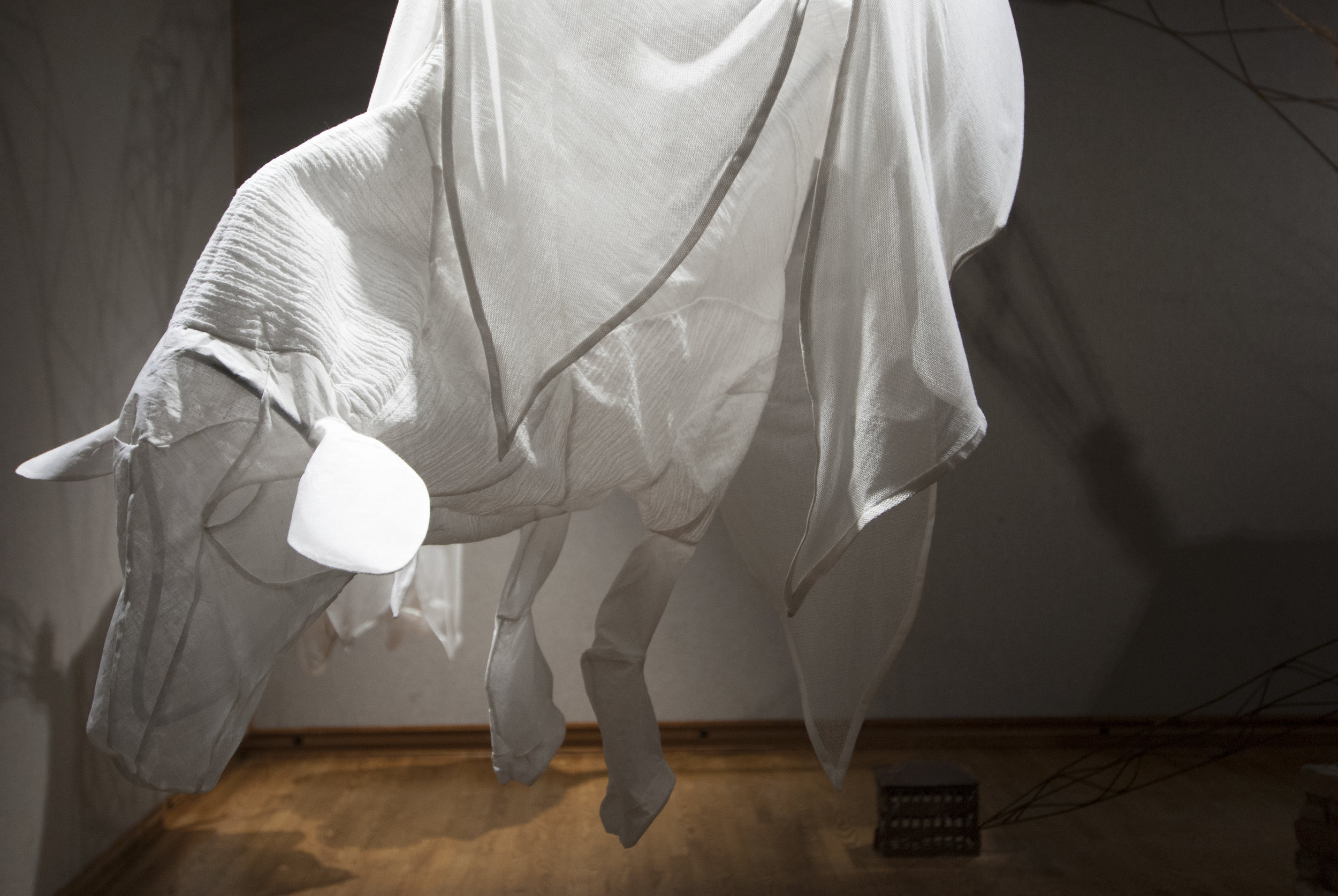
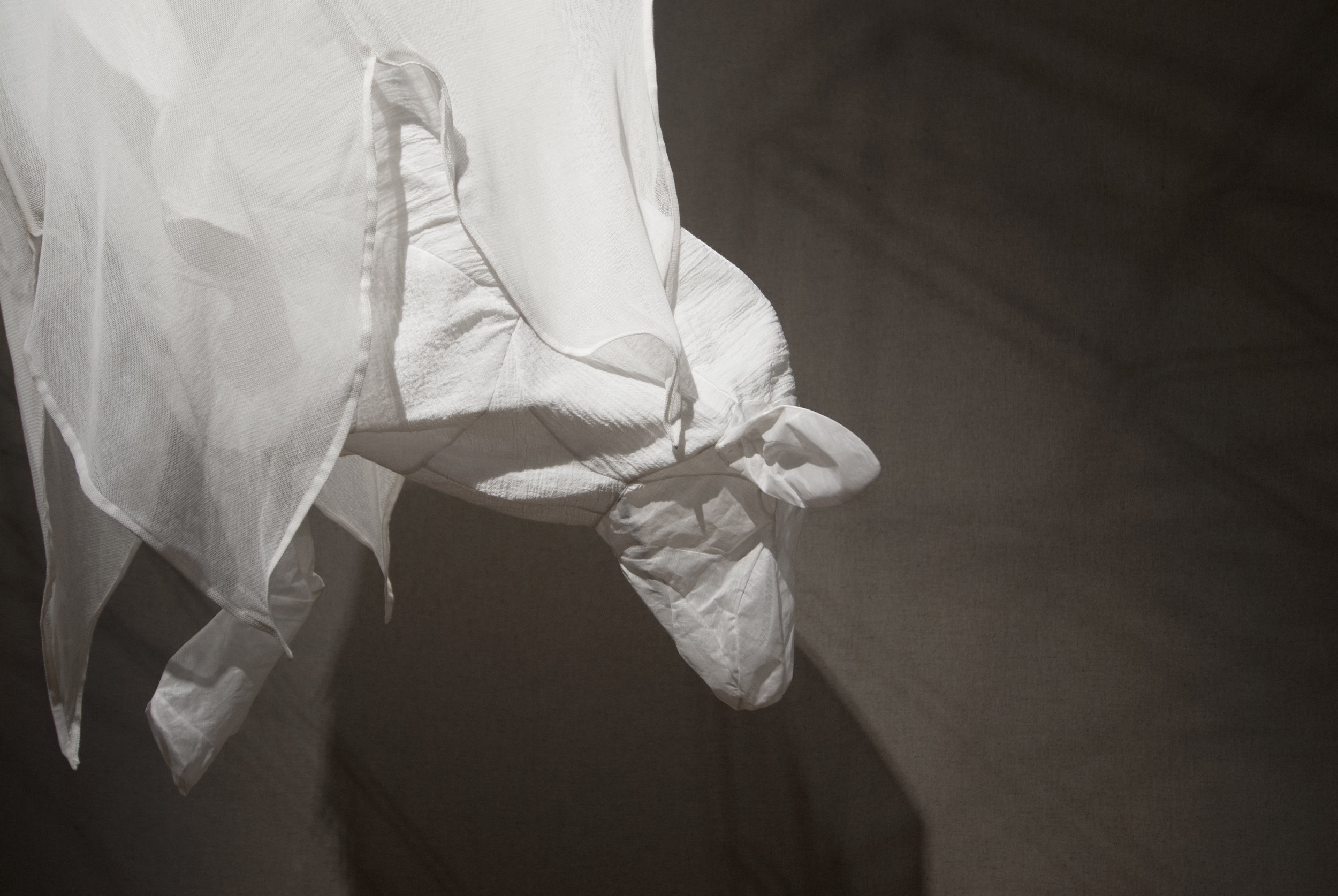
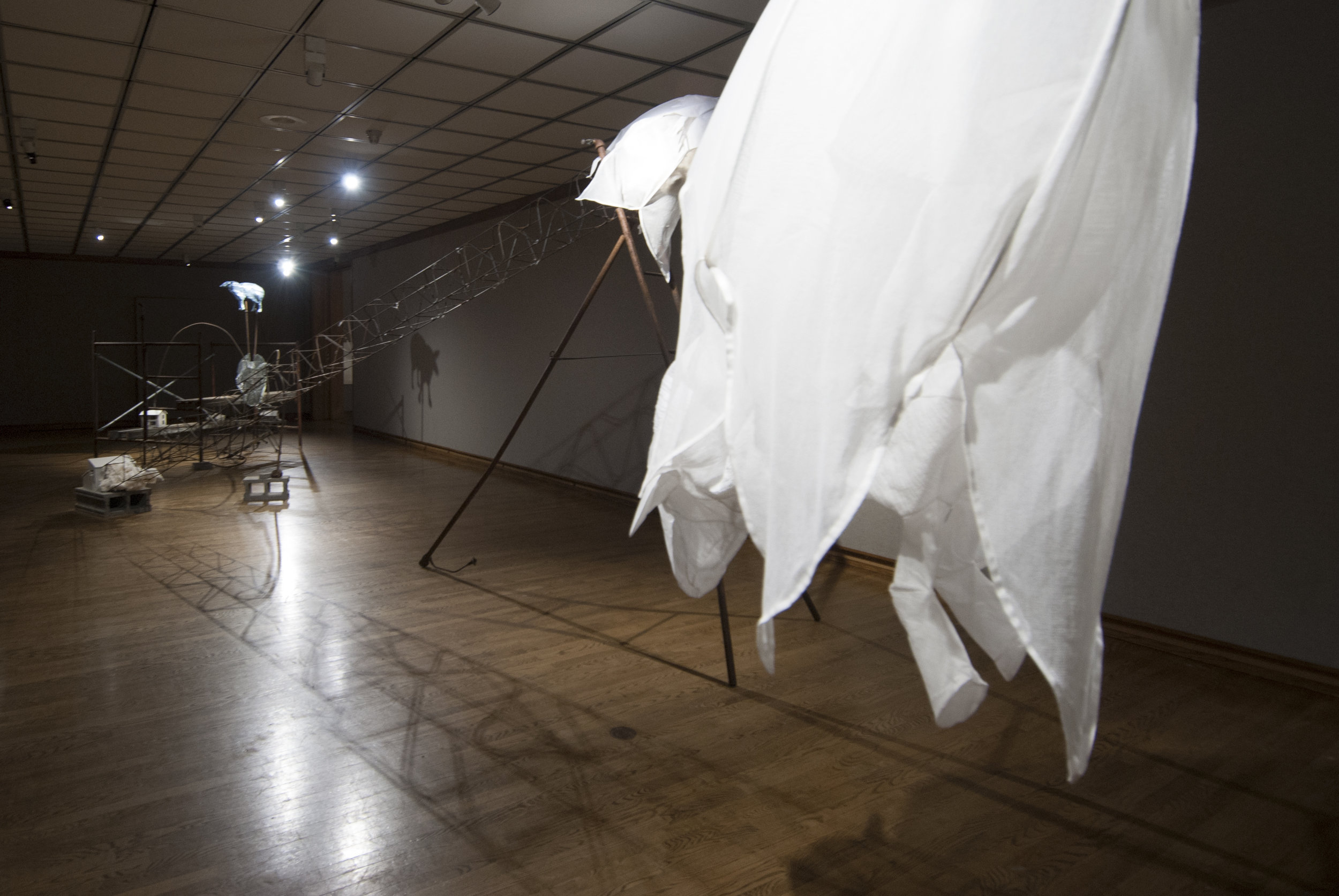
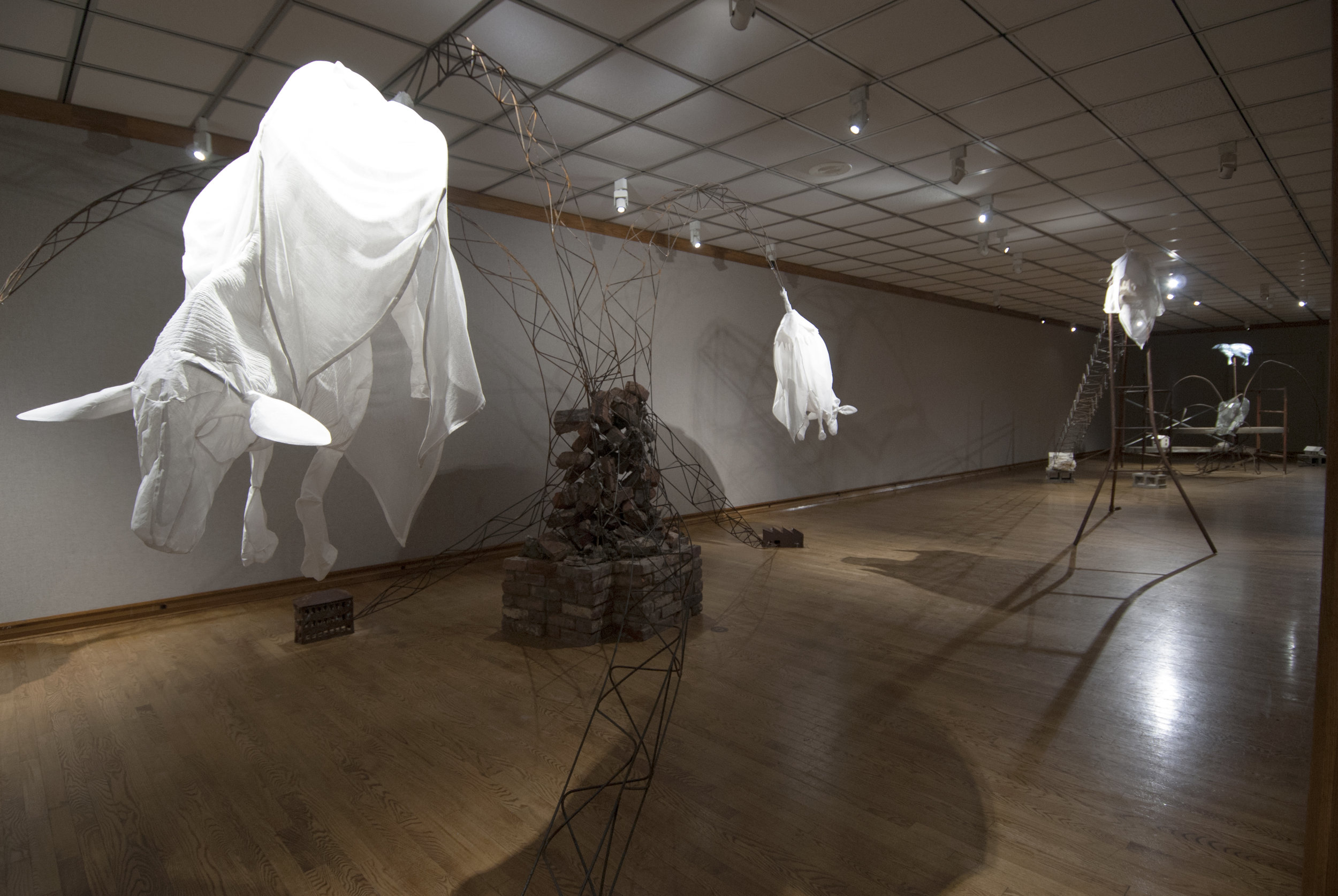
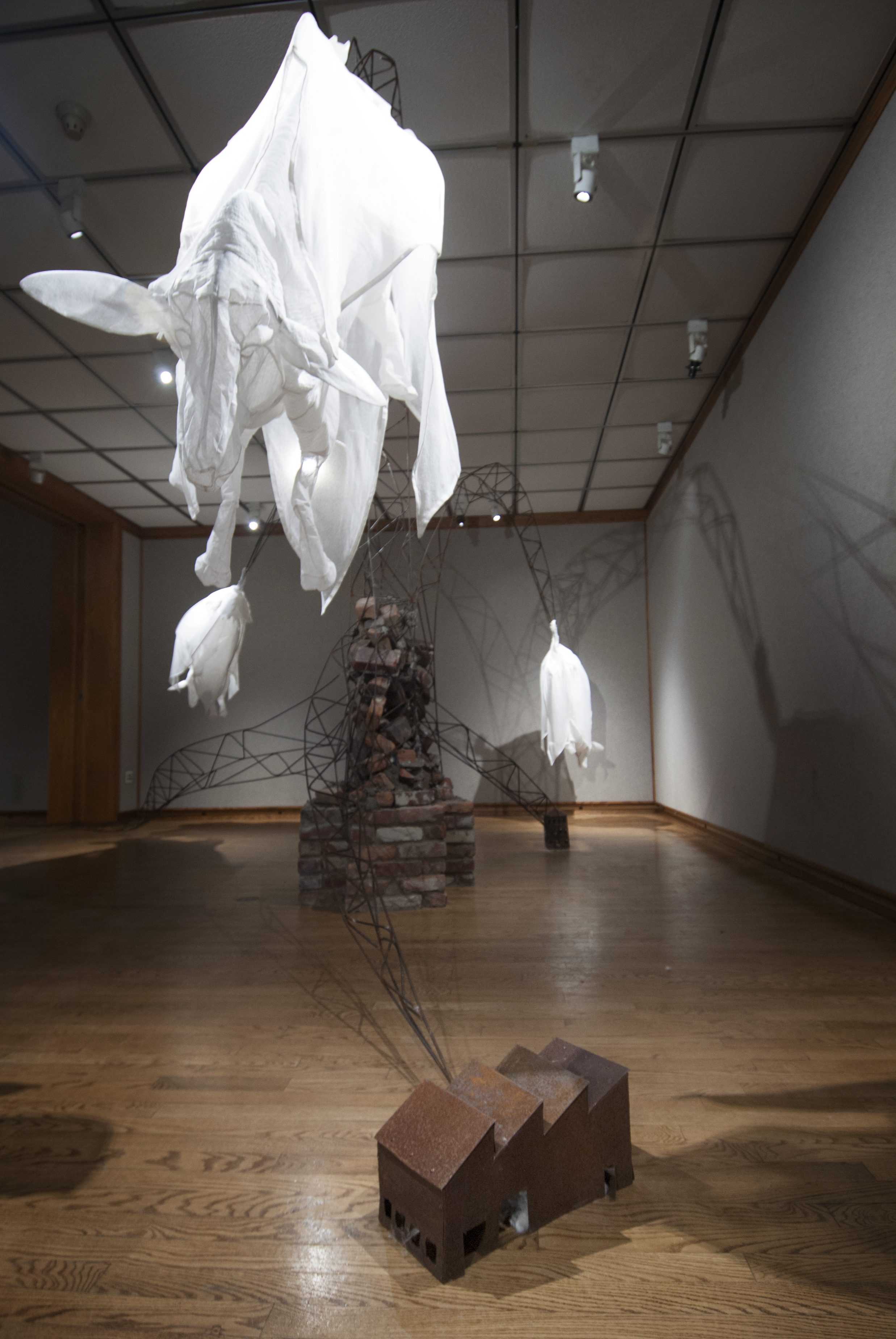
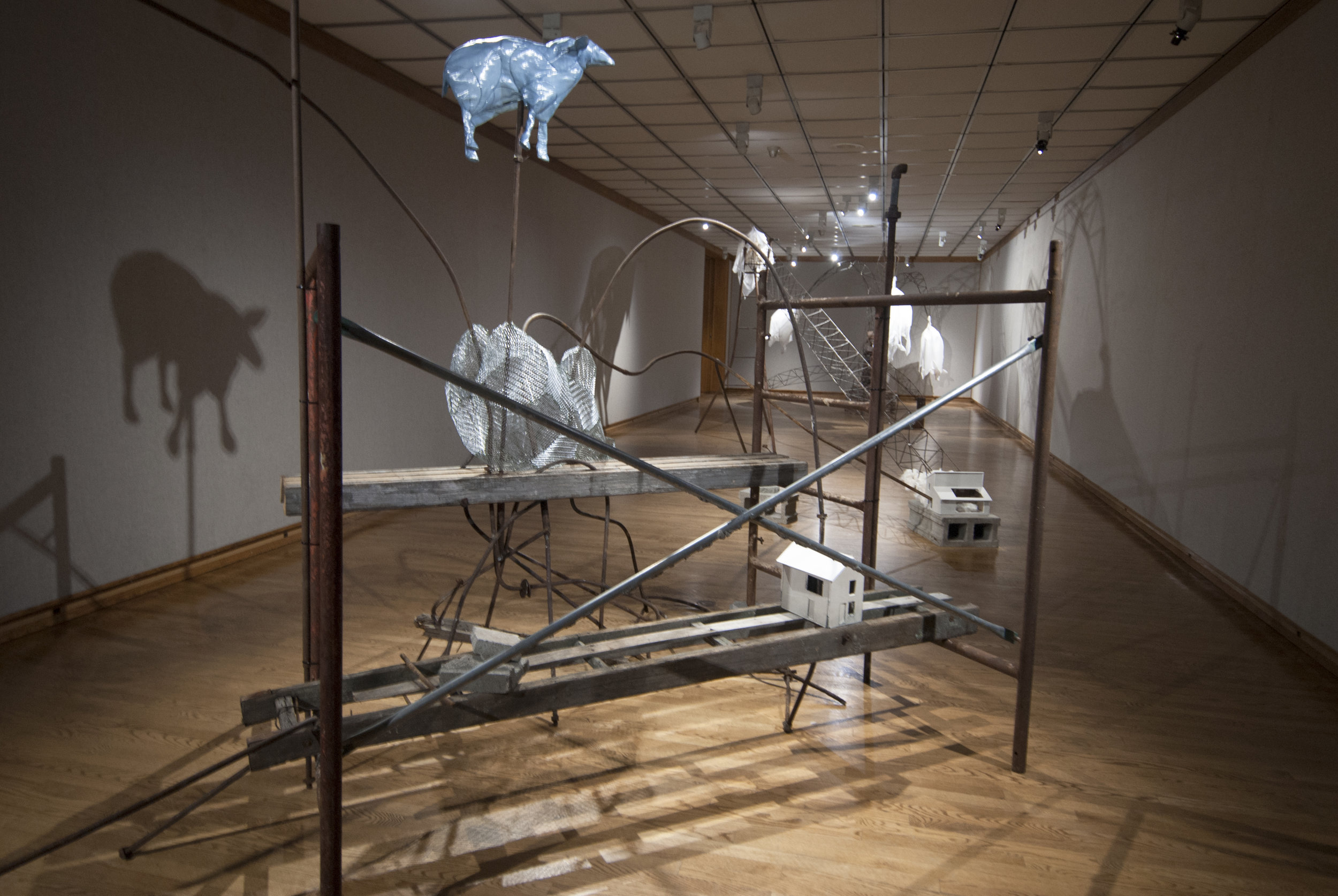
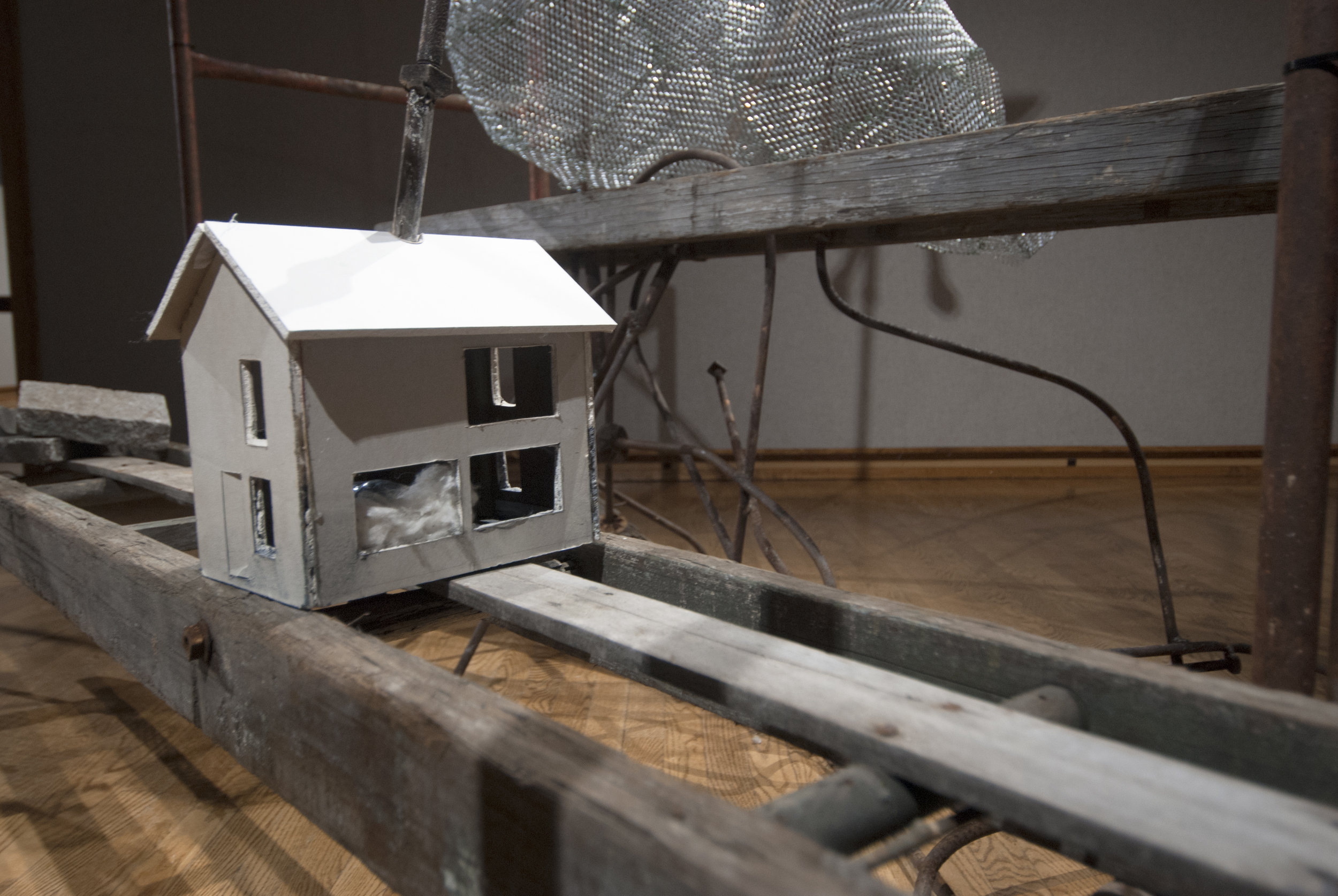
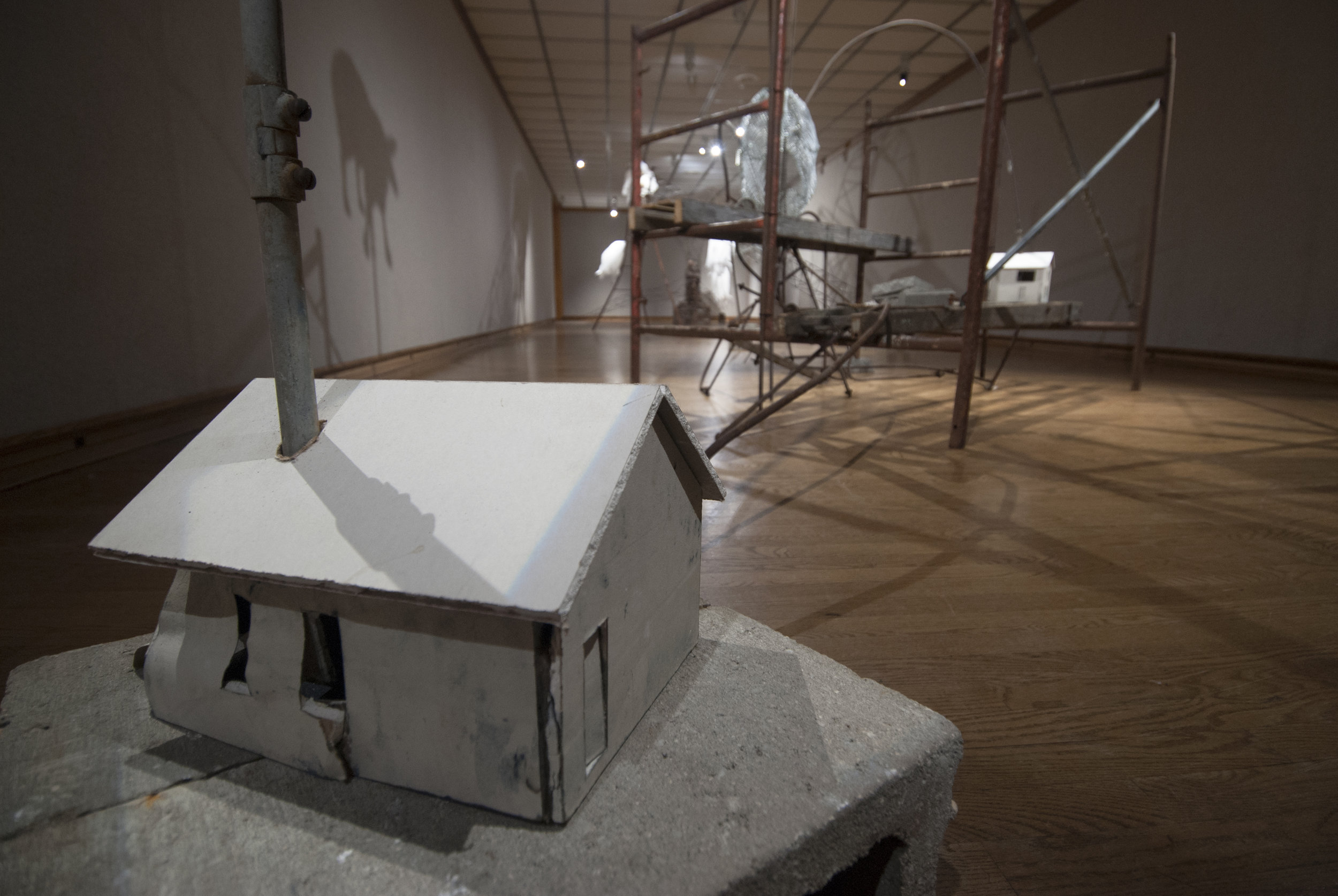
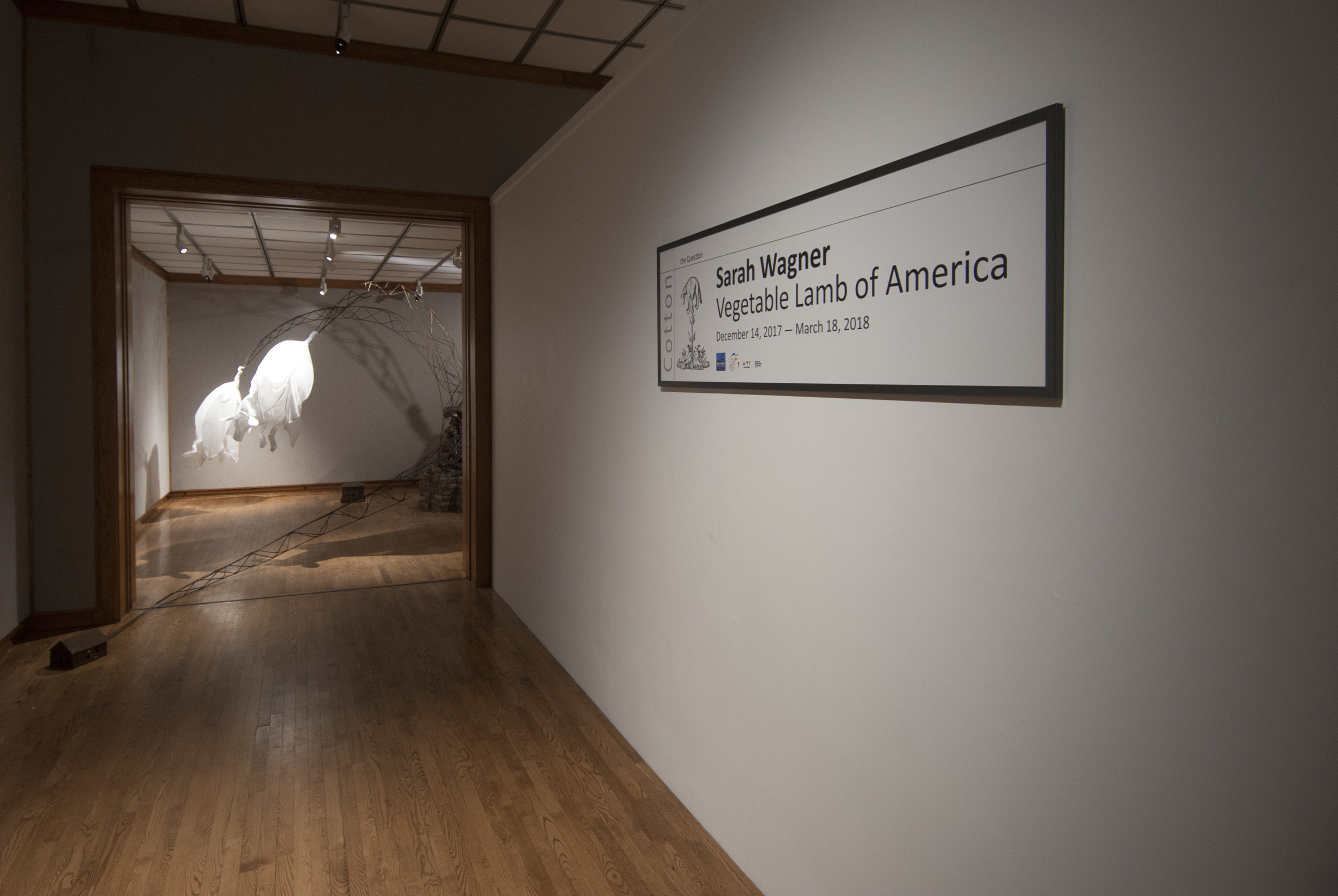
Vegetable Lamb of America is inspired by the the myth that sheep grew on trees, which began in the sixteenth century and lingered until it was debunked by the book The Vegetable Lamb of Tartary in the late ninteenth century. This fanciful notion came in to being because cotton was so exotic that the only way Europeans could explain the bolls, which looked to them like sheep wool, was to imagine sheep that grew on trees and leaned down at night to drink water.
The sheep trees could be seen as metaphors for how Americans tend to create imaginary histories about the foundation of our country. Cotton was a primary industry that allowed the US to become the global power that it is today. Our entire structure, culture and body politic are infinitely weakened and deranged by ignoring the true history of how this rise to power occurred. Today, new versions of “sheep trees”—in the form of “alternative facts” or the like—seem to exist almost everywhere in our culture
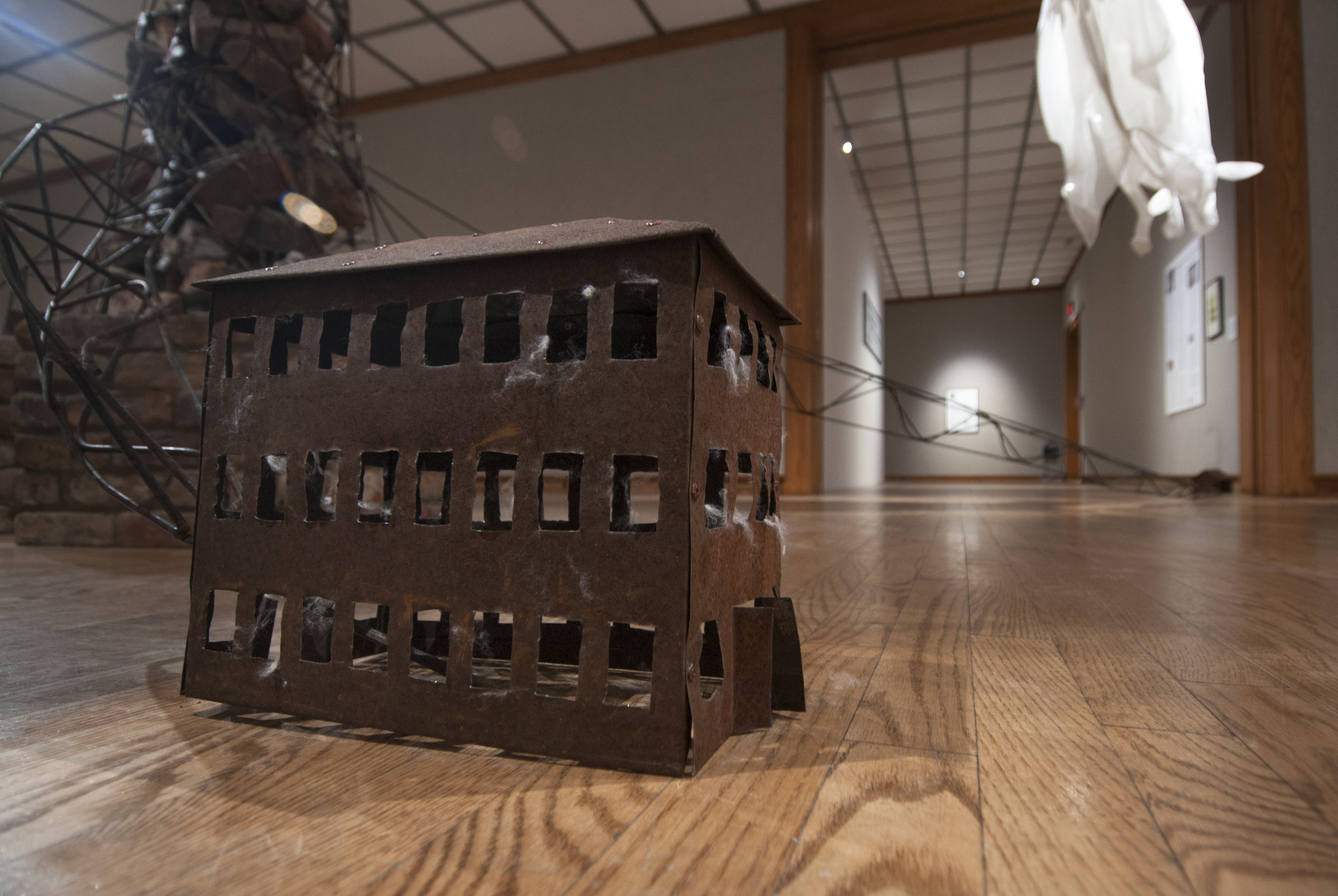
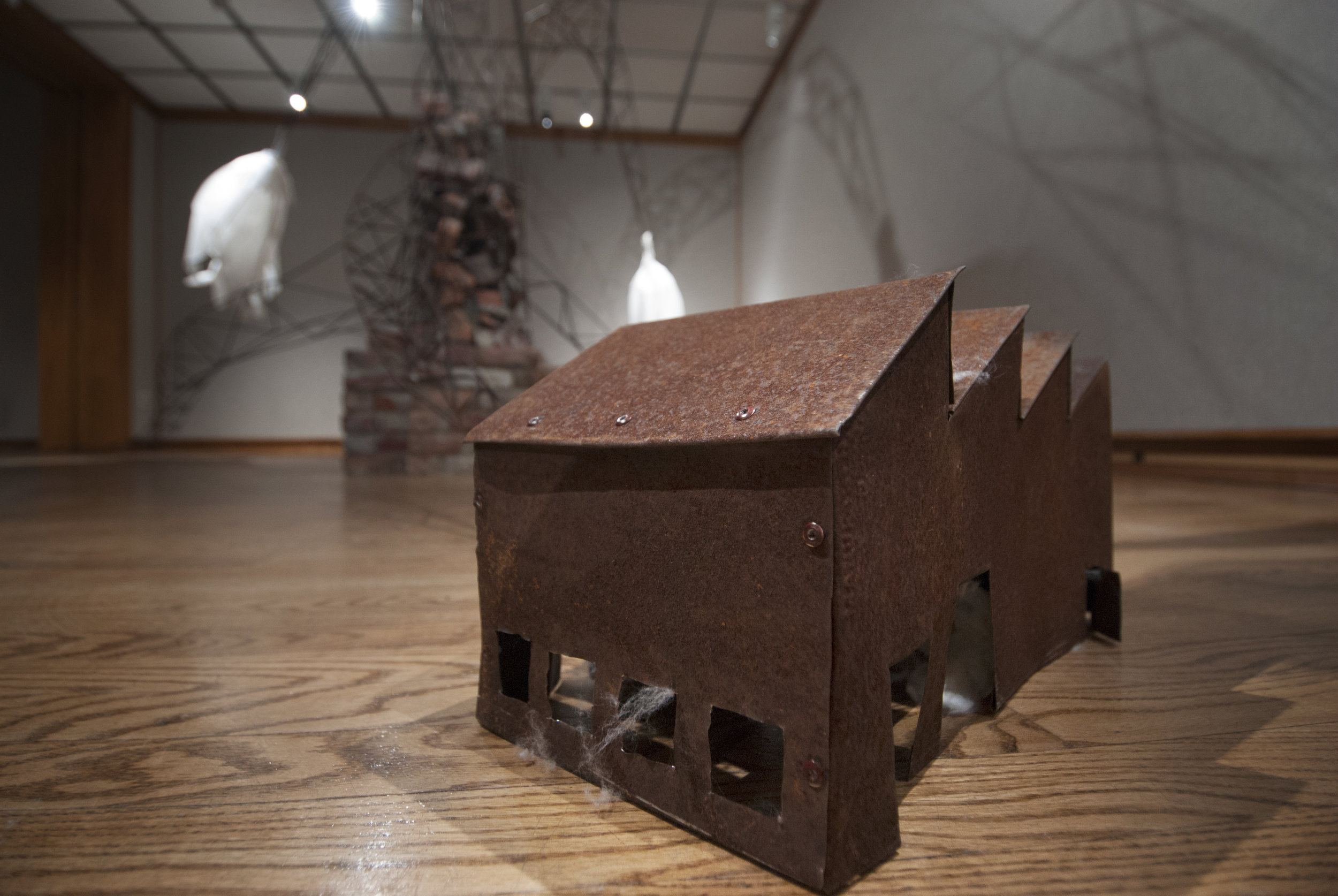
Industrialization would not be systemic today if our our forefathers had not strived to increase capital by reducing labor and increasing the output of many commodities—especially textiles. The cotton gin was one of the most important inventions in history, and there is a direct thread from that machine to the industrial capitalism that we know today, where textiles are so ubiquitous that they are disposable, yet inmates still pick cotton for free in Louisiana.
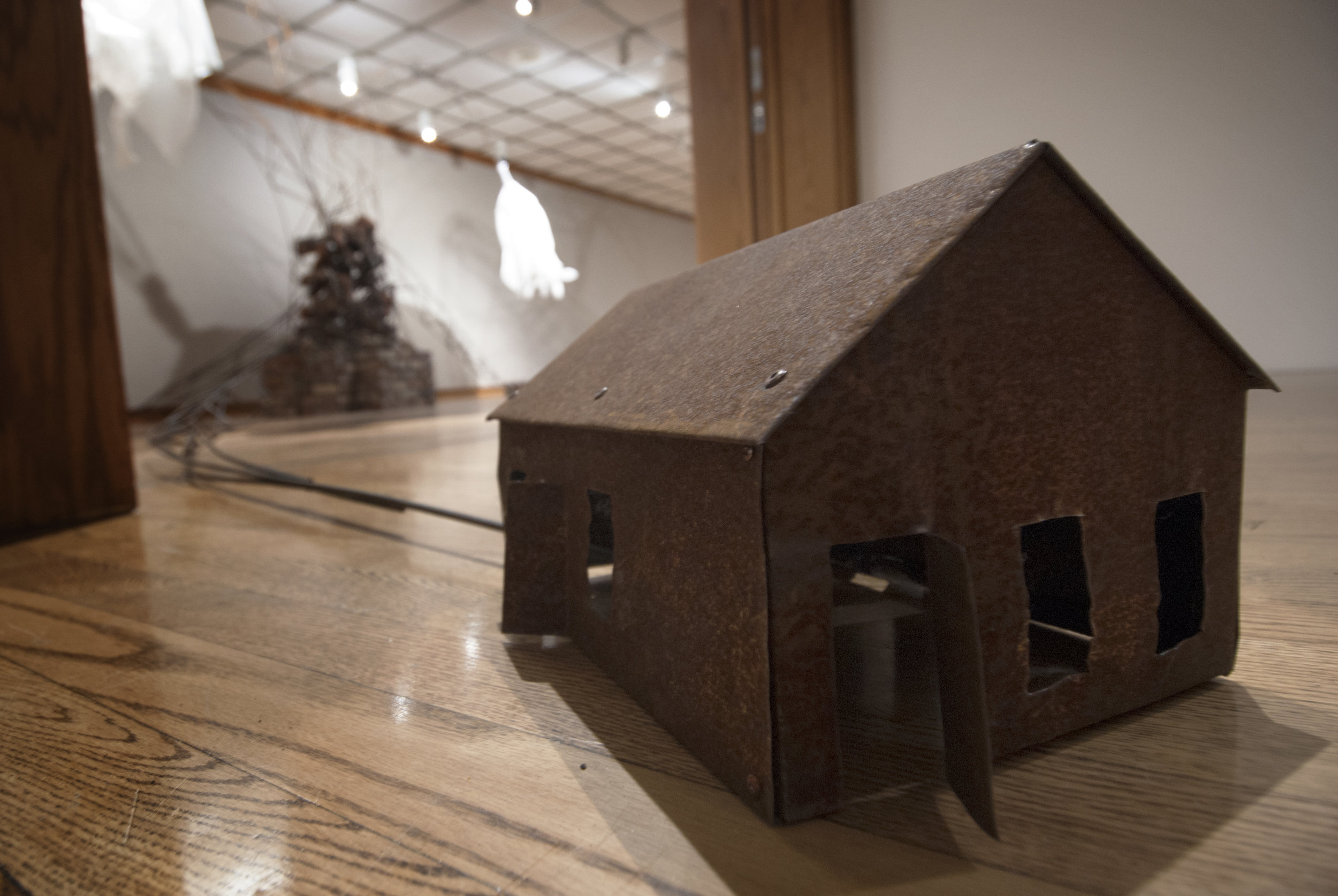
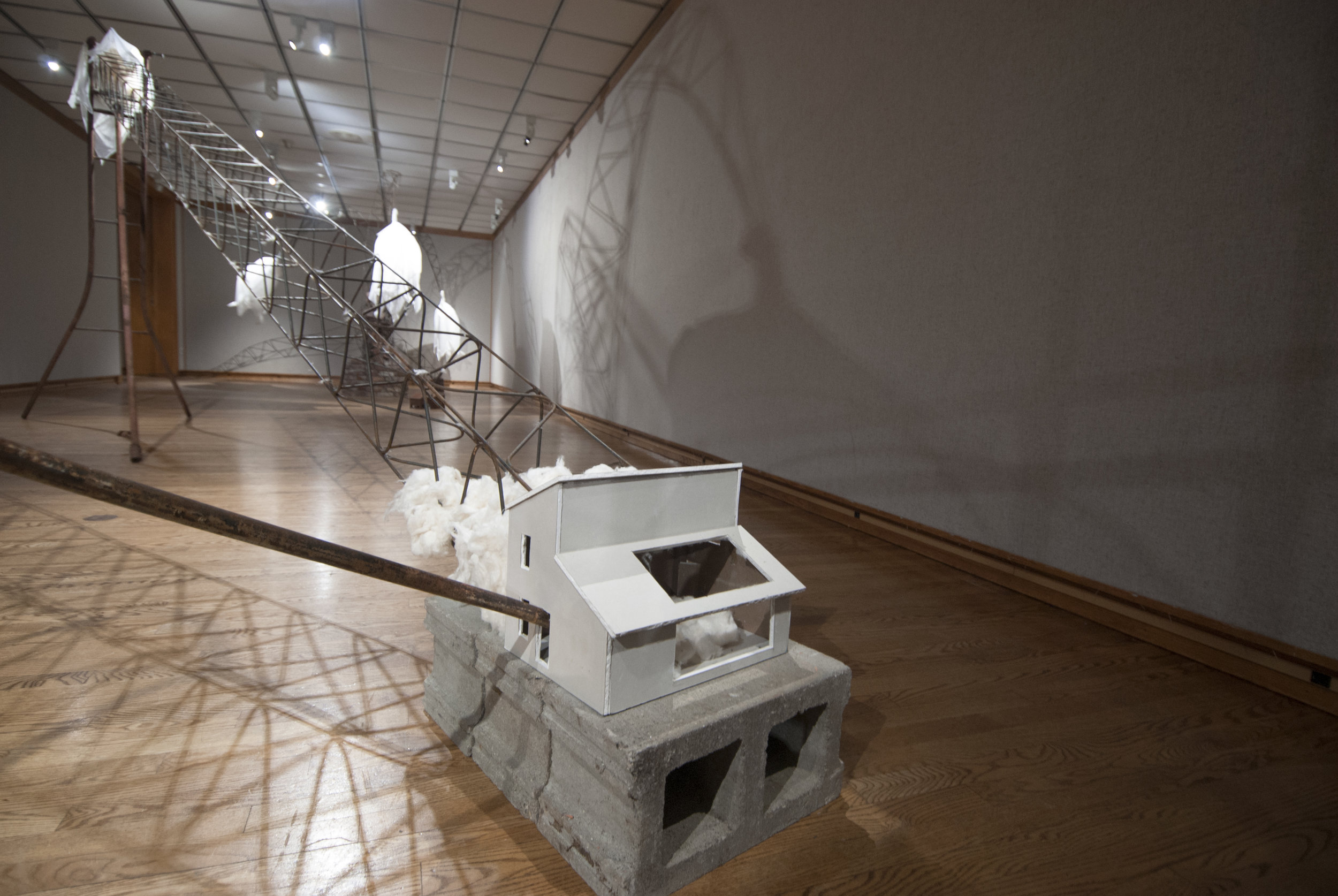
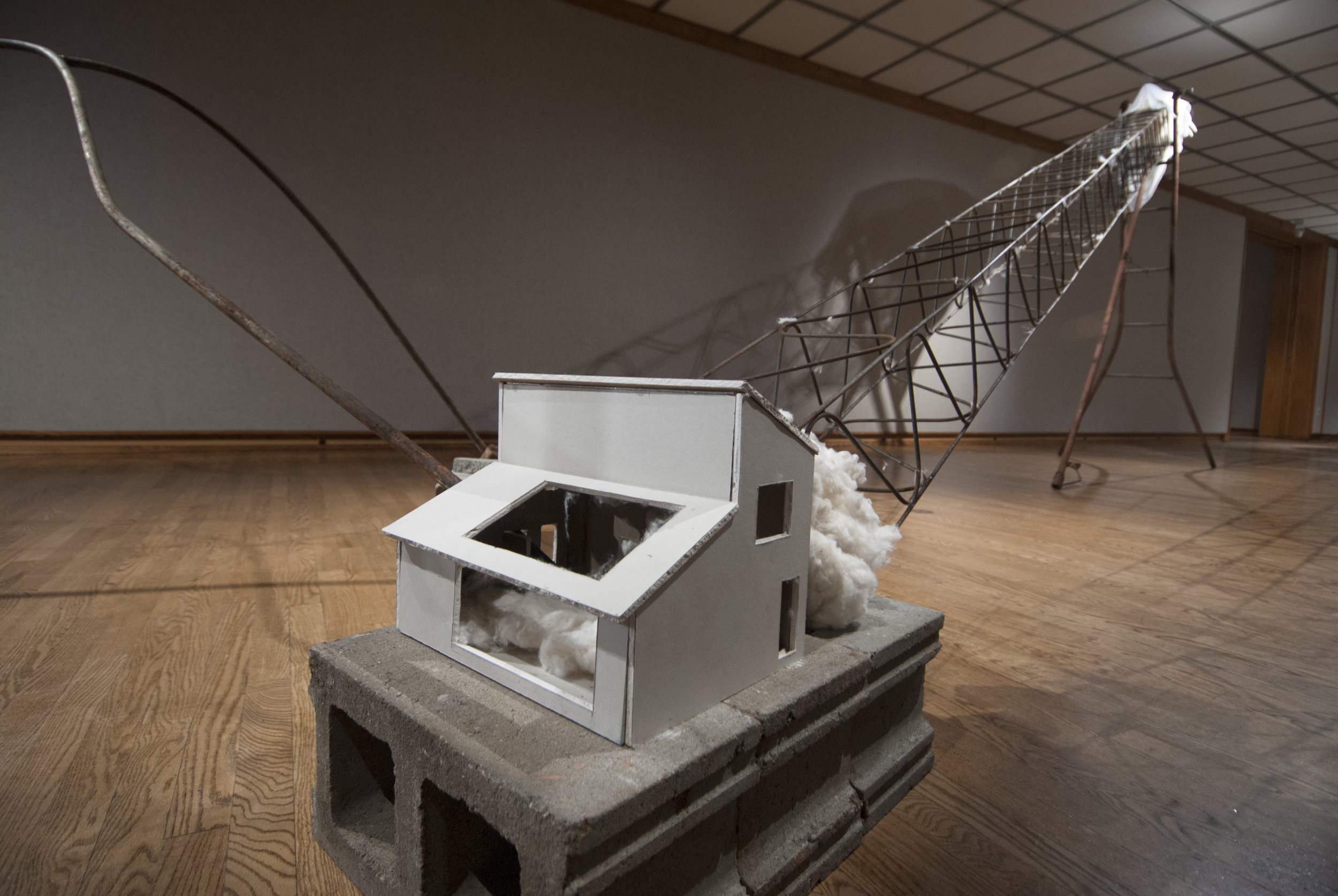
My “Vegetable Lamb of America” literally grows out of its industrial past. Inspired by Zug Island, a native American burial ground south of Detroit, that was later industrialized by U.S. Steel, I used curved, tapered steel trusses to form tree branches and roots. On Zug Island, peregrine falcons roost on the tops of gantry cranes and lake sturgeon spawn in the river-bottom coal beds. Zug’s symphonic industrial structures are magnificent to witness from the Detroit River, yet its toxic fumes permeate the air for miles, befouling the the humans and animals living in its snare.
An e-catalog about the project Vegetable Lamb of America is available here: http://www.muskegonartmuseum.org/wp-content/uploads/2018/02/Sarah-Wagner-Vegetable-Lamb-of-America-Exhibition-Catalogue.pdf
Many thanks to the Muskegon Museum of Art and their fabulous staff, Shannon Wong, Scott Berels, and Jon Brumit for their assistance. All images ©2017 Muskegon Museum of Art.